
Almost everyone chooses carpet by pressing a hand into a sample and picking the one that feels nicest. That instinct is exactly backwards: the softest carpet on the wall is frequently the one that will look worn first. Four specifications decide how a carpet actually performs, and you can ask about all of them in about a minute.
Fiber: what it is made of
Nylon is the most resilient common fiber. It springs back after being compressed, which is why it holds up in hallways and on stairs where the same spot gets crushed thousands of times.
Polyester is softer and takes color beautifully, and it is inherently stain resistant rather than treated. It is less resilient than nylon, so it suits bedrooms and low-traffic rooms better than a main route through the house.
Solution-dyed fibers have the color locked into the fiber itself rather than applied to the surface. That means aggressive cleaning cannot bleach it out, which matters enormously in a house with pets or children.
Twist: the number nobody mentions
Twist is how tightly each fiber is spun before it is tufted. It is the single best predictor of whether a carpet will look matted in traffic paths after a few years.
Loose twist untwists underfoot. Once it does, the fiber ends splay and the carpet takes on that flattened, shadowed look in the routes people actually walk, while the rest of the room still looks new. That contrast is what makes a carpet look worn out long before it is.
Density: how much carpet is actually there
Density is how tightly the tufts are packed together. Push your fingers into the pile and try to feel the backing — the harder that is, the denser the carpet.
A dense, high-twist carpet in a mid-priced range will outlast a plush, loosely twisted one that costs more. If you take one thing from this, it is that pile height and softness are not quality indicators, and density and twist are.
Pad: the half of the purchase people skip
The pad underneath is a separate purchase and it has more effect on how long the carpet lasts than most people realize. It absorbs impact that would otherwise crush the carpet backing, and a good carpet over a cheap thin pad wears out early.
Thicker is not automatically better. Too soft a pad lets the carpet flex excessively, which stresses the backing and can void a warranty. The right pad is matched to the carpet, and in a household with pets a moisture-barrier pad is worth the difference because it stops accidents reaching the subfloor.
Where carpet belongs in a Wisconsin house
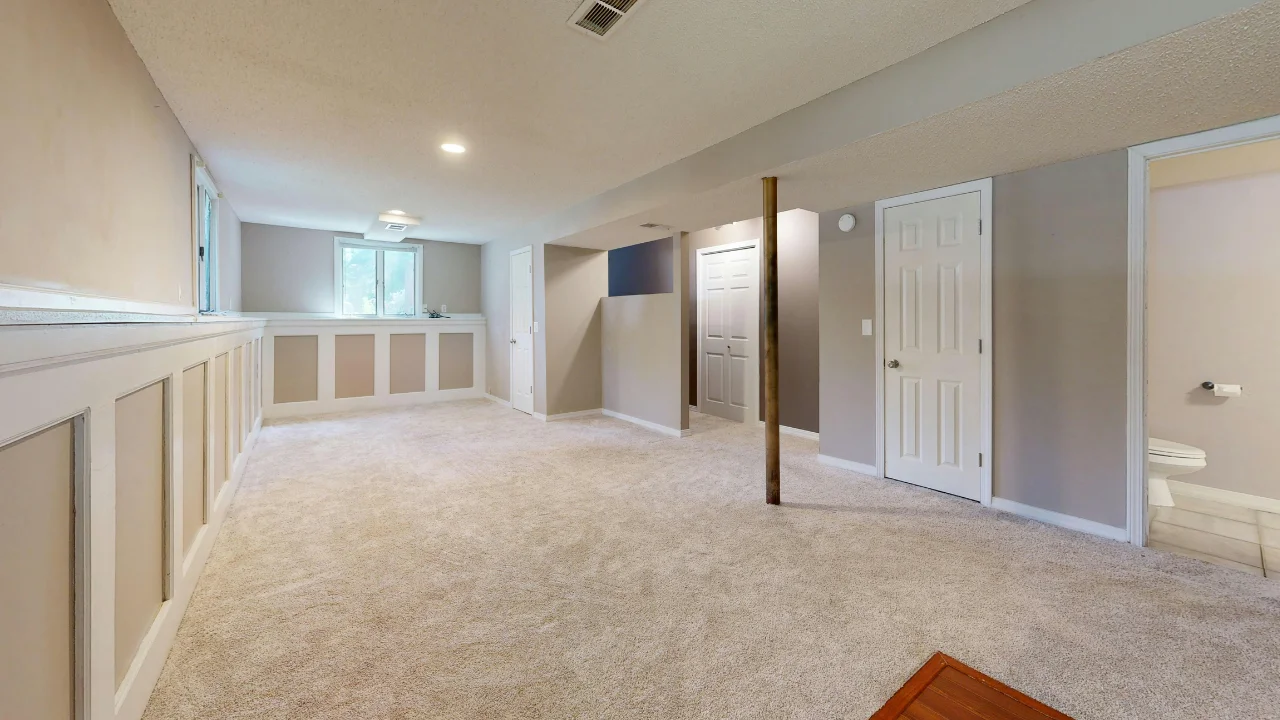
Bedrooms and lower-level family rooms, comfortably. It is warm underfoot in a way no hard surface is, and through a Coulee Region winter that matters more than it does in a milder climate.
Entryways and mudrooms are the wrong place for it, because that is where snowmelt, salt and grit come in. Those rooms want a hard, waterproof surface, and the carpet begins where the wet stops.
Choosing the carpet is half the job. What happens on install day, the power stretcher, the seam plan and how stairs are wrapped, is in carpet installation in La Crosse.
If you are weighing carpet against hard surfaces room by room, our guide to choosing flooring in the Coulee Region covers the whole house, and our carpet installation service covers what we fit.